
Why coaching conversations — not more information — are the key to better health outcomes, resilient professionals and a sustainable NHS.
There is a moment I have witnessed dozens of times in rooms full of brilliant healthcare professionals. It happens when I put the Communication for Empowerment Triangle on the screen.
The triangle has three points: Sharing Information, Providing Support, and Enabling Behaviour Change. I ask the room to mark, honestly, where they spend most of their time in a patient conversation. Every time — at pharmaceutical conferences, NHS training academies, GP practices and allergy clinics — the dots cluster in the same place. Information. Information. Information.
And then comes the question that always lands hard: “If your patient already knows what they need to do — if they have heard it from you, from the internet, from three previous appointments — what is the point of telling them again?”
The room goes quiet. Not because the question is unkind. Because they know it is true.
The Gap Medical Training Leaves Open
Medical training is extraordinary. The clinical knowledge, the diagnostic reasoning, the procedural skill — all of it hard-earned and genuinely impressive. But there is a gap at the heart of it that the profession is increasingly recognising: training in how to have conversations that change behaviour.
The culture of medicine is, by design, built on information and instruction. Tell the patient their diagnosis. Prescribe the treatment. Explain the risk factors. Send them home with a leaflet. This approach is essential. It is also, on its own, frequently insufficient.
The evidence is clear. NHS England’s own Health Coaching Quality Framework states that health coaching “can equip staff with the mind-set to support and empower patients toward their own goals” and that coaching approaches lead to “greater patient satisfaction and adherence, improved health behaviours and outcomes, as well as potentially improving care cost efficiencies.” Research published in peer-reviewed journals consistently shows that when patients are engaged through strengths-based, coaching-style conversations, outcomes improve across adherence, self-management, and wellbeing — while demand on services reduces.
The problem is not that healthcare professionals lack compassion. They have it in abundance. The gap is in the conversational tools and frameworks to translate that compassion into behaviour change.
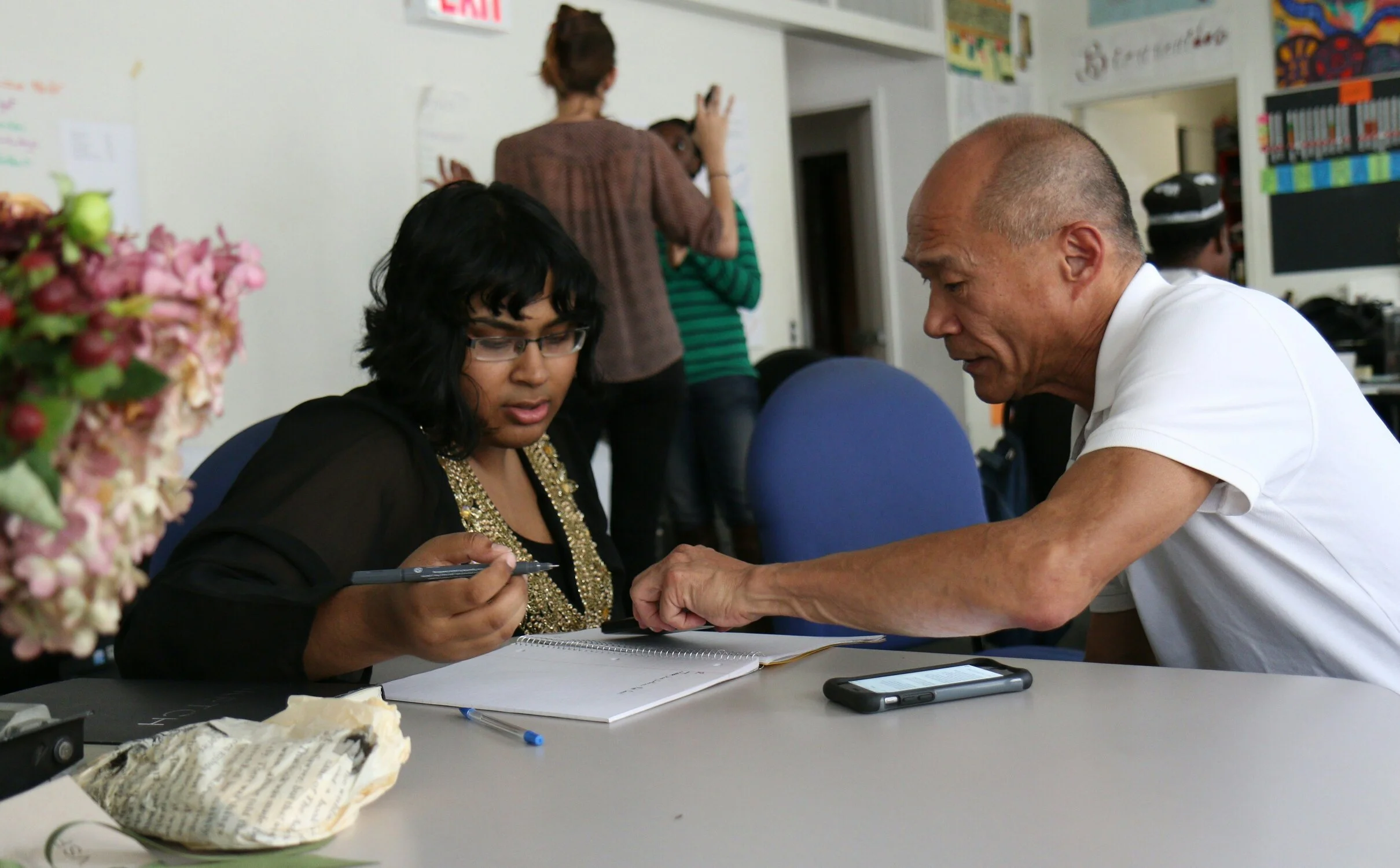
Strengths based Quality Conversations are key! Photo Monica Melton Unsplash
What Seven Years Has Taught Me
I have spent the past seven years delivering this work at the British Transplantation Society, at pharmaceutical conferences for Astellas and Aimmune, at the annual Allergy Academy at Guy’s and St Thomas’ Hospital, and across the county of Derbyshire through a long-running NHS programme in Strengths-Based Quality Conversations. Audiences of 250 pharmaceutical professionals. Rooms of 100 NHS clinicians. Virtual sessions with 12 community health workers at a time.
The consistent finding across all of them is this: when healthcare professionals learn to spend less time in “Sharing Information” and more time in “Enabling Behaviour Change” — when they develop the coaching skills to ask rather than tell, to challenge positively, to build the patient’s own agency — something shifts.
Patients start taking responsibility for their health. Families feel empowered to make treatment decisions rather than overwhelmed by them. Children with allergies and ADHD get better outcomes because the adults around them have learned to engage rather than instruct. Clinicians go home feeling like they made a real difference — and that matters enormously for their own resilience.
Resilience as a System Property
This is where I think the story gets genuinely interesting. Because what we are talking about is not just individual behaviour change. We are talking about resilience at every level of a system.
When a patient with a long-term condition learns to manage their own health more effectively, they become more resilient. They need fewer appointments. They rely less on emergency interventions. They cost the system less and live better lives.
When a clinician feels genuinely effective — when they leave consultations having enabled real change, rather than simply delivered information to a passive recipient — their professional wellbeing improves. They are less frustrated. Less burnt out. More resilient.
And when this happens at scale — across a county, a conference, a pharmaceutical sector, a national training programme — the system itself becomes more resilient. Services that are better able to manage demand. Organisations that retain skilled people. Communities where health inequalities begin to narrow, because patients who are empowered to self-manage are less dependent on a system already at capacity.
The BMA’s toolkit on health inequalities is explicit: “self-care is an important element of maintaining and improving health, and where that works, reduces attendance to health services.” Strengths-based approaches — approaches that assume patients know what is best for them and build on what they already have — are increasingly recognised as essential to reducing health inequalities, not just managing them.
The Soft Skill That Is Not Soft At All
I dislike the term “soft skills.” It undersells what we are talking about. The ability to have a conversation that changes someone’s relationship with their own health is not soft. It is arguably the most important clinical skill a healthcare professional can develop.
At the Astellas conference, the global lead for transplantation summed it up better than I could: “Everyone needs a Resilience Coach.”
He was right. Not because everyone needs Russell Harvey specifically. But because every patient interaction is an opportunity to build resilience. In the patient. In the professional. In the organisation. In the community.
The question is whether we are equipping the people at the front line of healthcare with the skills to make the most of that opportunity.
After seven years of working in this space, I believe we are getting closer. And the results — for patients, for professionals and for the NHS — speak for themselves.