
The Importance of Springing Forward with Learning
So far in this series, I’ve defined “springing forward with learning,” and explained how to spring forward with learning.
"Resilience spring forward with learning" is a mindset shift from simply "bouncing back" to actively growing stronger through challenges.
It involves reflecting, adapting, and using adversity as a driving force for positive transformation and skill development.
A key way to develop this within your organisation is to secure company-wide ‘buy in’ for an ongoing programme of training and development.
I now want to consider the importance of “springing forward with learning.”
Prime Minister Winston Churchill succinctly summed up the importance of learning when he once said: “I am always ready to learn although I do not always like being taught.”
I hope you find my checklist helpful.
Adaptability
To stay ahead of their competitors in today’s ever-changing business environment, companies must remain agile and thrive in the face of ongoing market fluctuations and technological advancements.
Continuous learning gives them the latest skills and knowledge to swiftly adapt to changes – which can prove crucial in dynamic markets where economic conditions and consumer preferences can rapidly shift.
Enhanced performance
There’s no doubt that regular training and development opportunities enhance employees’ performance – directly impacting the company’s bottom line.
Organisations which continually invest in workforce development experience higher quality work and greater efficiency.
Employee engagement and retention
Companies offering ongoing training and development demonstrate their commitment to staff growth. In turn, this leads to increased job satisfaction, increased engagement, and reduced turnover rate.
Retaining skilled employees is vital, as it can be costly and disruptive to frequently hire and train new staff.
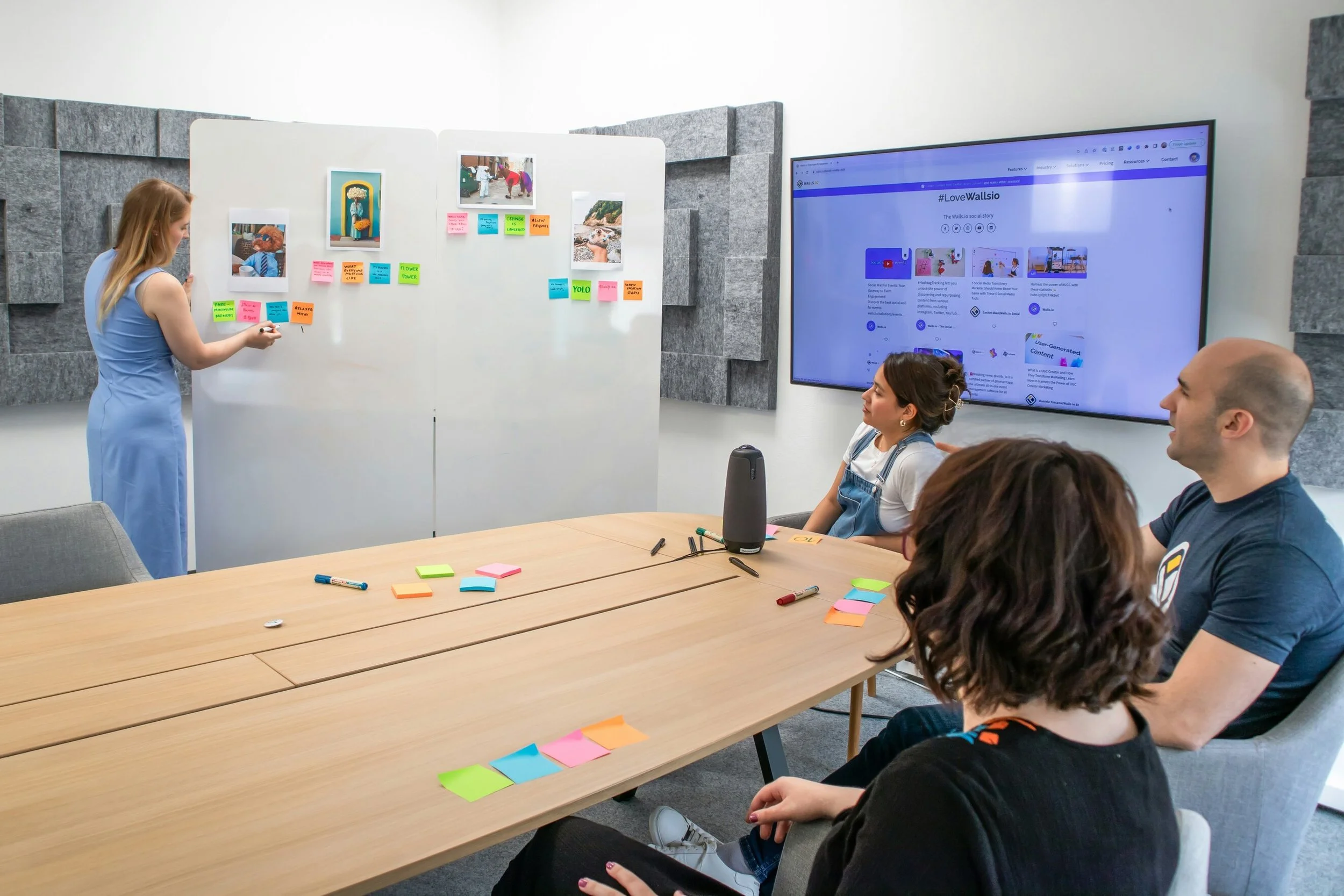
Springing Forward with Learning enhances performance and engagement. Photo Walls.io Unsplash
A recent report by leading developer of customised learning management systems Build Empire concluded that:
Companies offering comprehensive training programmes have 218% higher income per employee than those without formalised training.
40% of employees who receive poor training leave their positions within the first year.
94% of employees said they would stay longer at a company if it invested in their learning and development.
Look out for the last article in this series – “The Benefits of Springing Forward With Learning.”
If you need further information about these approaches, or any other resilience topic, please contact russell@theresiliencecoach.co.uk.